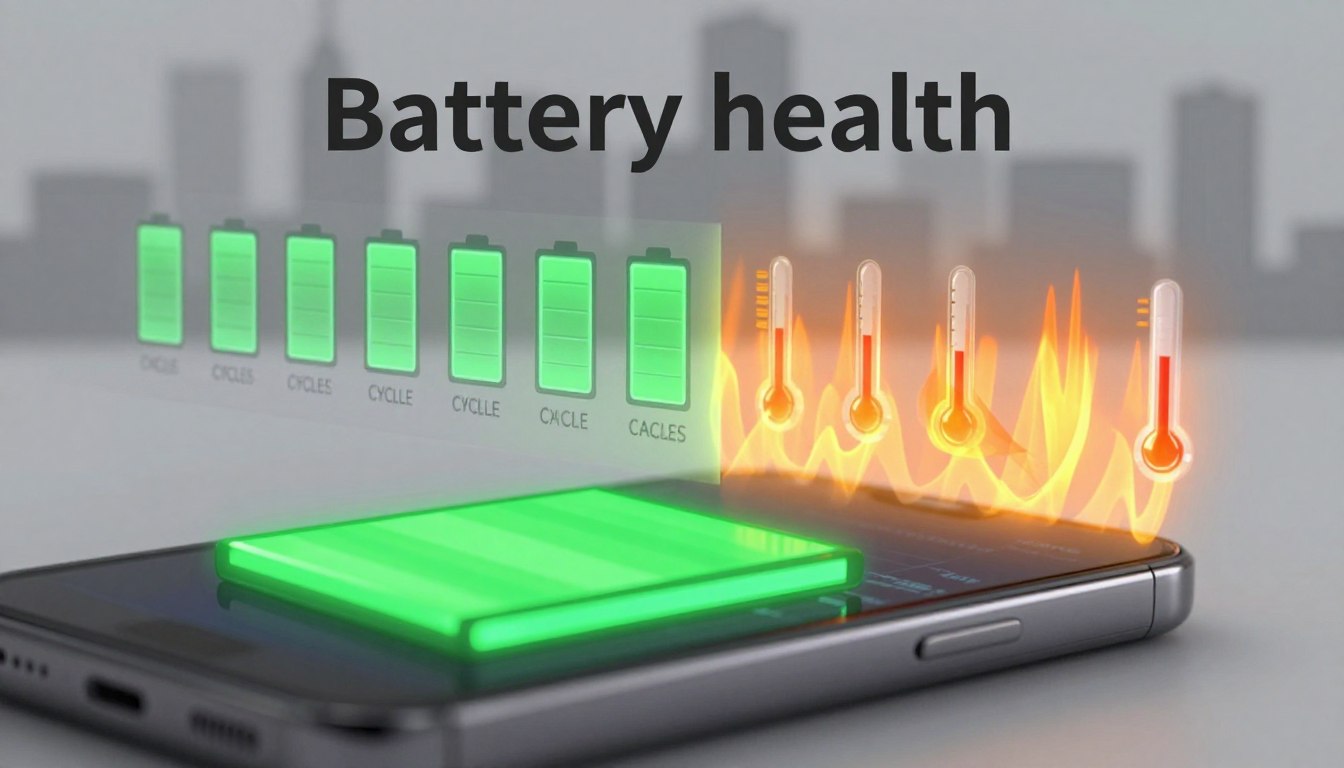
Does Fast Charging Reduce Laptop Battery Lifespan
Discover the truth about fast charging laptop batteries. Learn how fast charging affects laptop battery lifespan and make informed purchasing decisions.
Buyers in the United States often ask whether opting for a fast charging laptop means trading convenience for a shorter battery life. This brief guide sets clear expectations: we will explain what truly drives wear and what the guide will not claim.
Most battery wear comes from heat, high state-of-charge time, and cycle use — not the label on a spec sheet. Readers will learn how fast charging works, what ages a battery, and which specs matter when you compare chargers and devices.
Neutral and practical: fast charging can be safe when managed well. But poor thermal design, wrong accessories, or unrealistic expectations can cause worse outcomes. This section previews common wattage ranges, USB-C Power Delivery effects on compatibility, and why cable quality can quietly slow charging.
Key Takeaways
- Heat, high state-of-charge, and cycles drive most battery wear.
- Understand wattage bands and USB-C Power Delivery for compatibility.
- Use the right charger and quality cable to avoid slower or unsafe charging.
- Check manufacturer specs and thermal design before you buy.
- Fast charging can be safe if devices and accessories are matched properly.
What “Fast Charging” Means for Modern Laptops
Manufacturers use short benchmarks to sell speed, yet real results depend on many design choices.
Typical definitions on product pages point to partial milestones — for example, “0% to ~50% in ~30 minutes.” Vendors often list brand examples: Lenovo RapidCharge (0–80% ~1 hour), HP FastCharge (0–80% ~1–1.5 hours), Apple USB‑C (0–50% ~30 minutes), Asus TurboBoost (0–60% ~49 minutes), and Dell ExpressCharge (0–80% ~1 hour).
Those numbers show that “fast charging” is a range, not a single guarantee. Real-world performance changes with power draw; if you run apps or attach peripherals, net charge rate and overall time to top up will increase.
The charger’s rated output and the device’s negotiated intake together determine results. A higher-watt adapter won’t force a device to accept more power if the system limits intake for safety or thermal reasons.
- Look for USB‑C PD wattage or named proprietary modes in specs rather than vague “rapid” labels.
- Expect quick gains at low percentages, with slower tapering as the battery fills.
- Compare real benchmarks from multiple brands to set realistic expectations when you shop.
How Fast Charging Works: Wattage, Power Delivery, and Battery Controls
Think of wattage as the speed limit for energy flow. Higher wattage lets more energy move per second, so a compatible device can refill quicker when it allows the intake.
USB‑C Power Delivery uses negotiation between charger, cable, and device to pick a safe voltage and current profile. The adapter advertises profiles, the usb-c cable carries the signals, and the device decides how much power it will draw.
What PD 3.1 and voltages mean
PD 3.1 raises the ceiling to 240W for high-demand rigs, though many mainstream models still work within 45–100W. Voltage and current regulation step down or taper input to avoid stress as the battery fills.
Smart systems and safety
Modern machines use Smart Battery Systems with SMBus to monitor voltage, current, and temperature in real time. These systems speed charging at low percentages, throttle if things get hot, and taper near full to protect cells.
- Buyer tip: Check explicit PD wattage and supported voltages when comparing devices.
- Cables can bottleneck usb-c power; use certified cables rated for the intended wattage.
Does Fast Charging Reduce Battery Lifespan? What Actually Causes Wear
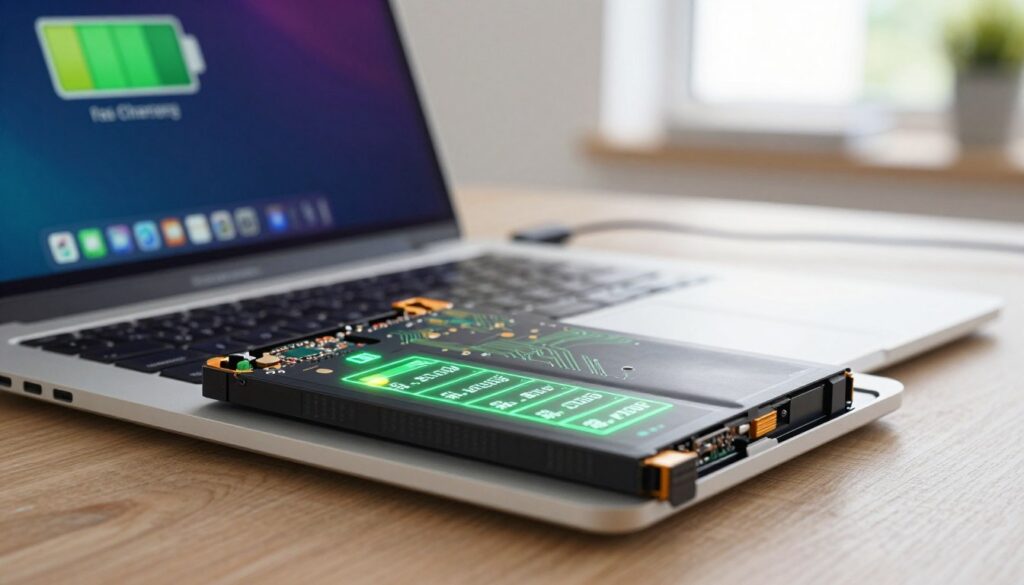
Heat built during higher-current fills is the single biggest physical factor that can shorten cell life.
Heat and thermal stress
Higher current can raise cell temperature, and heat speeds chemical breakdown. That increases long-term capacity loss more than the simple label on an adapter.
How systems protect cells
Modern devices monitor temperature and reduce power intake when things heat up. They also taper voltage and current as the pack nears full to lower stress and avoid overvoltage.
Separating myths from measurable factors
Fast charging alone does not always kill a battery. Sustained high temperatures, staying at 100% for long stretches, and heavy workloads while plugged in matter more.
- User habits matter: poor ventilation or charging on soft surfaces raises pack temperature.
- Buyer tip: prefer systems with clear thermal management and matched accessories.
| Factor | How it affects battery | What systems do |
|---|---|---|
| High current | Can increase temperature and wear | Throttle intake, reduce current |
| High state of charge | Increases chemical stress at full | Taper voltage near 100% |
| Heat from use | Amplifies degradation | Lower performance or pause charge |
fast charging laptop Buyer’s Guide: What to Check Before You Buy
Start by looking up the device’s documented input limits and supported profiles. That simple step tells you if a high‑watt adapter will help or just add cost.
Battery type and power management
Check whether the cell chemistry and firmware offer adaptive charging and thermal limits. These features slow intake when temperature or state of charge could harm long‑term health.
Prefer machines with named battery modes that limit stress during long plug‑in sessions.
Supported charging tech
Confirm if the unit uses USB‑C Power Delivery or a brand‑specific method. USB‑C PD is standardized and easier to match with third‑party chargers.
Proprietary systems may need a matching laptop charger to unlock peak rates.
Max input limits
Look at maximum input wattage on spec pages. Some models cap intake — for example, certain thin ultrabooks only draw 45W — so larger adapters won’t speed top‑ups.
Compatibility signals to review
- Find documented wattage, supported voltage, and current profiles in the specifications.
- Check laptop manuals for stated requirements before you buy a dock or spare charger.
- Match the adapter to your typical power needs to avoid overspending on unnecessary output.
Choosing the Right Charger Wattage for Your Laptop’s Power Needs
Pick a charger wattage that matches what your machine usually draws during real work, not just the peak number on a spec sheet.
Common ranges and which systems they fit
30–45W suits ultralight and thin notebooks. 45–100W covers most business and mainstream models. 120–200W+ is typical for gaming and high‑end workstations.
When wattage is too low
If a charger cannot cover device power during heavy use, charging slows or stops and performance may drop as the system limits CPU or GPU to stay under the adapter ceiling.
Is higher wattage safe?
A higher-wattage charger is generally safe when voltage and connector standards match and the device negotiates power. USB‑C PD models commonly handle this correctly.
How power draw changes by task
Light use (web, email) typically needs ~20–40W. Moderate work (video calls, multitasking) needs ~50–70W. Heavy work (rendering, gaming) can exceed 100W.
“Match the OEM wattage as a baseline; step up only if you run sustained heavy work, docks, or multiple external displays.”
- Practical rule: use the device’s intake limit to set expectations before buying a spare charger.
- Choose certified chargers and cables to avoid bottlenecks and keep performance steady.
USB-C Cable and Charger Quality: The Hidden Limits on Charging Speed
A weak or uncertified usb-c cable can turn a high‑watt charger into a slow, frustrating experience.
This gap is common: the device may accept high input, and the adapter may advertise the right specs, yet the cable limits what actually reaches the battery.
https://www.youtube.com/watch?v=1jAeEPHvDyA
Why some cables cap power even when specs match
Some cables are built for low-current use and include wiring or connectors that limit output to ~30W or ~60W. Others lack the e‑marker chip that signals higher capacity to the system.
Without proper construction and marking, the charger and device will negotiate a lower profile to stay safe, which slows charging speed.
What to look for and a short buyer checklist
- Confirm wattage: buy cables rated for 100W-class when your setup can use it.
- Seek certification: USB‑IF or reputable brand claims reduce risk.
- Check specs: clear voltage and amp ratings, plus return policies for US buyers.
- Avoid no-name bundles: they often underperform and create heat.
Remember: usb-c power is a system result — device + charger + cable + thermal conditions. Replace the weakest link to improve real-world charging speed and lower heat, which helps long-term battery health.
Fast Charging Technologies You’ll See in the US Market
Many US models use one common protocol, but brands still add their own speed claims.
USB‑C Power Delivery as the near‑universal option
USB‑C Power Delivery (PD) is the closest thing to a universal standard for modern devices and many laptops.
PD dynamically adjusts voltage and current so a single charger can serve multiple devices safely. That makes travel and spare-charger choices simpler for buyers in the United States.
Proprietary approaches and real-world claims
Major vendors still publish branded modes with headline times. Use those numbers as reference points when you compare product listings.
- Lenovo RapidCharge — 0–80% ≈ 1 hour
- HP FastCharge — 0–80% ≈ 1–1.5 hours
- Apple USB‑C quick charge — 0–50% ≈ 30 minutes
- Asus TurboBoost — 0–60% ≈ 49 minutes
- Dell ExpressCharge — 0–80% ≈ 1 hour
Remember that quick charge experiences vary even with USB‑C PD. Different devices support different wattage ceilings and PD profiles. Systems also throttle intake when temperatures rise.
“Fast charging is a system result: protocol, power negotiation, battery controls, and thermal design all matter.”
| Approach | Who uses it | Typical claim |
|---|---|---|
| USB‑C Power Delivery | Many brands and third‑party chargers | Variable by device; common 0–50% in 30–60 minutes |
| Proprietary branded modes | Lenovo, HP, Apple, Asus, Dell | Named targets like 0–80% ≈ 1 hour |
| Hybrid (PD + vendor tweaks) | Some business and gaming systems | Higher sustained intake if firmware and thermal design allow |
How to decide: prefer USB‑C PD if you want one charger for many devices and travel convenience. Choose a vendor-specific route when you need the absolute quickest top-ups for a particular model and you keep the matching charger with the device.
How to Charge Faster Without Sacrificing Battery Health
A few simple routines let you get quicker top-ups without forcing extra stress on cells. Follow cooling habits and pick the right gear to keep charging speed high while protecting battery life.
Keep the battery cool to prevent throttles
Charge on hard surfaces and avoid blocking vents. High temps trigger system throttles and slow the rate to protect cells.
Reduce heavy work during initial fills. Pause demanding apps when you need a fast top-up to limit internal heat.
Use the right accessories for efficient charging
Match adapter wattage and a certified cable so the system negotiates full intake. Underpowered adapters waste time and can raise pack temperature.
When to use standard charging as a lower-stress option
Overnight or long desk sessions are best for standard fills. This option keeps cells cooler and improves battery health over months.
Practical routines for work and travel
- Top up to ~60–80% during short breaks for usable time and less stress.
- Choose a USB‑C PD power bank sized to your device’s intake if you need portability.
- Use rapid top-ups when pressed; use standard charging when you have time.
| Goal | Action | Why it helps |
|---|---|---|
| Quicker top-up | Pause heavy apps; use matched adapter | Lower heat, higher intake |
| Long-term health | Charge slowly overnight; avoid 100% in heat | Reduces chemical stress |
| Travel | Use PD power bank; top up between sessions | Maintains usable charge without full cycles |
Conclusion
Quick refill claims look appealing, but sustained heat and poor charging conditions are the real threats to cell life.
In short: using a high-rate adapter does not automatically shorten battery lifespan. Heat, long time at full state, and heavy cycles cause most wear.
When you shop, prefer devices with clear specifications for supported wattage and power delivery profiles. Match accessories to those requirements so the system can negotiate full intake safely.
Remember that a higher wattage charger helps only up to the device’s input limit. Prioritize compatibility: pair your laptop with certified chargers and capable cables to keep charging speed consistent and heat low.
For US buyers: choose USB‑C PD for flexibility, accept proprietary options when they add clear value, and manage temperature to protect long‑term battery health.