Does Closing Apps Always Save Battery
Is closing apps really saving your battery? Uncover the 'close apps battery myth' and get tips on how to effectively manage your battery life with our expert guide.
Does swiping an app away really extend your phone’s run time? Many users still treat the App Switcher like a control panel. They assume each open thumbnail drains power.
Experts disagree with the habit. Steven Athwal of The Big Phone Store says force-quitting often backfires because reopening an app makes the processor and RAM work harder. Ritesh Chugh at Central Queensland University adds that iOS and Android usually suspend idle apps so they barely use energy while sitting in memory.
This intro sets expectations: this is a practical guide about what actually saves battery life, not a cleanup checklist. We will explain how modern systems manage background tasks, when quitting helps (for example, GPS or active calls), and which settings give real gains.
By the end, you’ll know what to stop doing and what to try instead to get better battery life without harming performance.
Key Takeaways
- Force-quitting is rarely needed and can use more power when apps relaunch.
- Modern phones suspend idle apps so they do not consume meaningful energy.
- Quit only when an app is misbehaving or actively using GPS or media.
- Use screen and background settings for real battery savings.
- Focus on practical habits, not the appearance of open thumbnails.
Why the app-closing habit feels like it should save battery
Your phone’s recent view often misleads the eye. The App Switcher shows live-looking thumbnails and that suggests apps are running. In truth, modern systems usually freeze those cards so they use minimal power.
Why swiping feels productive: dragging a tile away looks like tidying the device. That quick gesture gives users a sense of control when battery anxiety hits mid-day.
The real difference is simple: “recently used” on the screen is not the same as “actively running” under the hood. Phones now move many tasks to a suspended state or short-lived background jobs.
People learned these habits years ago, when older phones had less memory and cruder power management. Those days made background work more visible and costly, so manual killing made sense.
- Visual snapshots imply activity.
- Swiping feels like reducing work for the phone.
- Daily routines reinforce the action even when it no longer helps.
Later sections explain how current technology manages apps and what steps actually save power.
What iOS and Android really do with apps running in the background
Your operating system usually controls what runs and when, quietly managing resources. That matters because “running in the background” rarely means continuous CPU work. Most of the time the system lets an app do brief tasks, then pauses it to save power and energy.
iOS app states explained
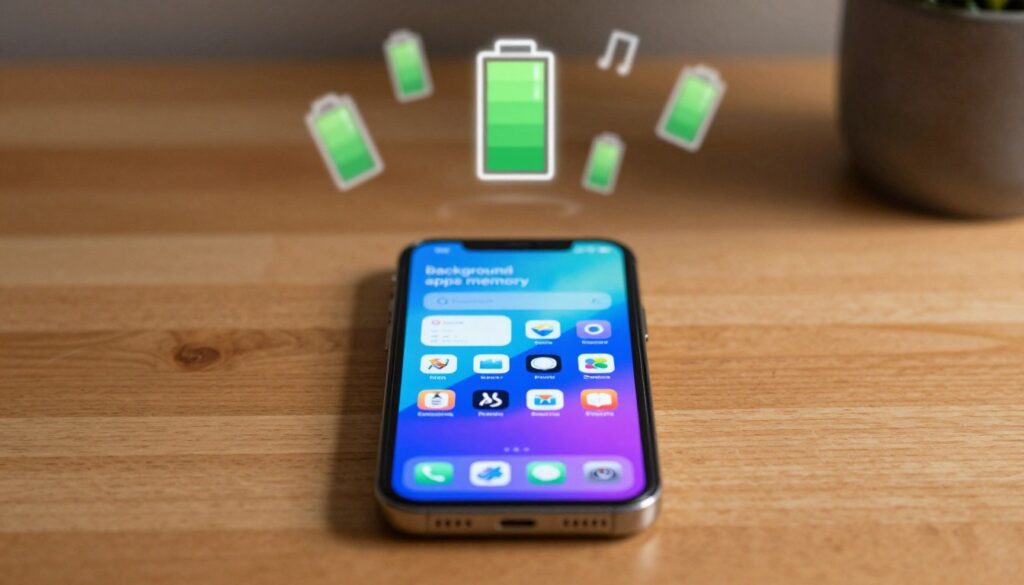
Foreground means you are actively using the app. Background gives a short window for tasks like uploads or location updates.
Suspended keeps the app in memory but stops code execution. The system may later purge it to free memory, forcing a full relaunch if you open it again.
Why suspended items usually don’t drain power
When an app is suspended it does not run code, so CPU activity drops. That makes its energy impact negligible compared with screen-on time or heavy network use.
Android controls: Doze and App Standby
Android limits background work with Doze and App Standby, reducing network and CPU use when the device is idle. These features handle most background management without user intervention.
Apple controls: Low Power Mode and system-managed activity
iOS also throttles background tasks in Low Power Mode and via system policies that reduce refresh frequency and other work when energy is low.
Memory vs. energy: why keeping items in memory helps over time
Reusing an app in memory often uses less CPU and time than rebuilding it from scratch. Letting the system keep frequently used pages reduces repeated loading, which can save energy over a day.
Next, we quantify the relaunch cost versus letting suspended items stay put.
close apps battery myth: when force-closing can use more power
Manually terminating background programs can cost more energy than it saves when you reopen them. Rebuilding from scratch means the system must reload resources, reallocate memory, and restart processes that were already paused in memory.
The “reload from scratch” cost
When you kill an app, reopening it triggers CPU spikes and extra RAM work. That short burst of processing and disk reads draws more power than simply resuming a suspended state.
Why frequent killing backfires
Repeatedly forcing quits makes the phone feel slower. Users lose cached state, and common tasks take longer to start. The result is worse performance and higher overall energy usage for typical daily usage.
When the system would do better
Modern operating systems purge items only when space or priority demands it. Let the system manage memory and focus on real drains—apps that use location or media continuously—rather than swiping every thumbnail away.
- Reopening from purge costs CPU and power.
- Resuming from memory is usually cheaper than relaunching.
- Trust the system to free space when needed.
When closing an app actually helps (and when you should do it)
Not every running program is harmless — some keep working and can drain resources fast.
Active drains that matter
Navigation, video calls, and continuous syncing are the main culprits. A navigation app using GPS or a long video session can keep processors and radios awake.
Stopping that activity ends the work and often reduces battery and data use immediately.
Red flags to watch for
- Phone feels hot while idle.
- Unusual drop in battery percentage over an hour or two.
- Persistent location indicator when you are not using the service.
When to force-quit as a troubleshooting step
If an app freezes, glitches, or shows runaway background behavior, force-quitting resets its session. That can stop unexpected data transfers and heat generation.
Decision rule: check your device’s battery and data usage screens first. Use manual closing selectively when measurable evidence shows active drain, not as a daily routine.
How to save battery the right way on iPhone and Android
Small, targeted changes to settings yield far bigger runtime wins than repeatedly killing tasks.
Reduce screen power draw
The screen often dominates daily drain. Use auto-brightness and lower the brightness when indoors.
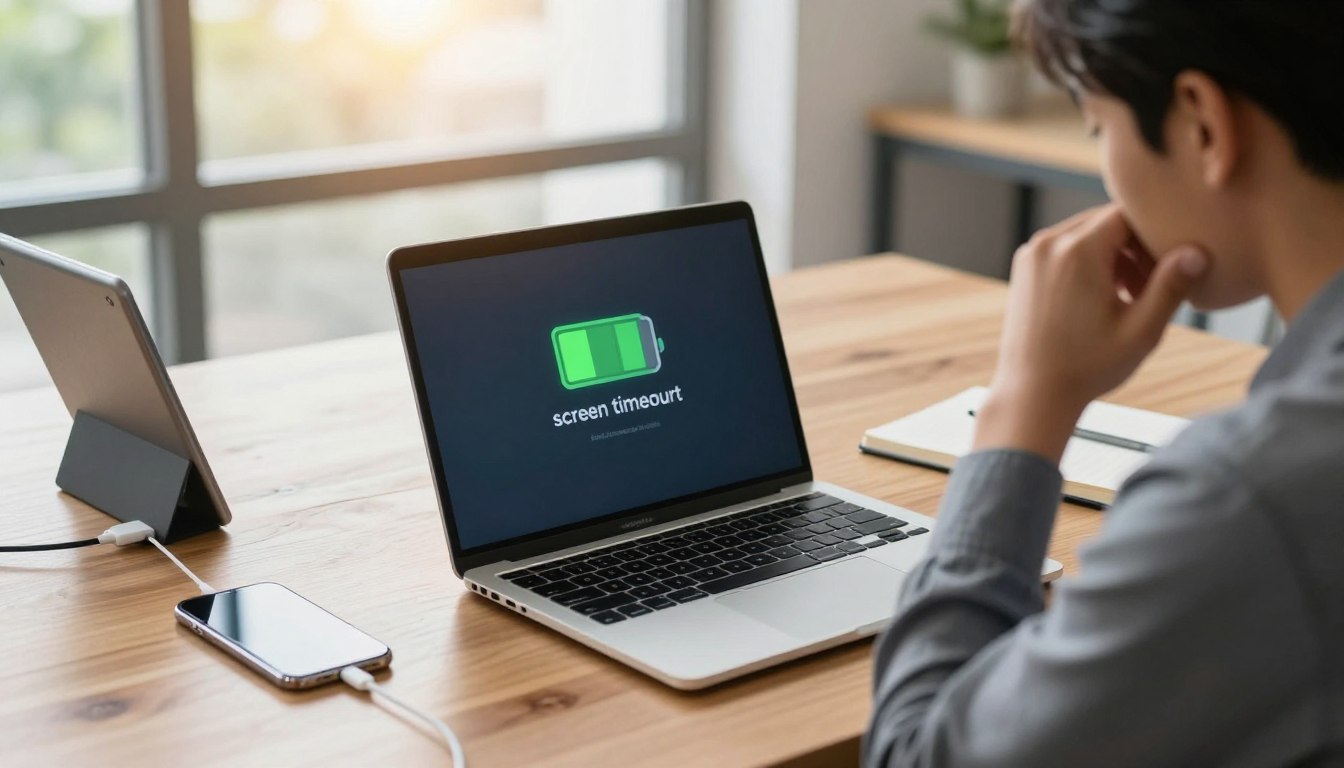
Turn on dark mode where available and shorten screen timeout to cut wasted on-time.
Stop wasteful background activity
Turn off background refresh for apps that don’t need instant updates. That reduces silent work and network usage.
Lock down location services
Set location to “While Using” and review app-by-app. Limiting continuous location stops needless radio use and data transfers.
“Screen brightness is a major drain; limit background refresh and tighten permissions,” — Steven Athwal.
Use the right connections and radios
Prefer Wi‑Fi over weak cellular. Disable 5G when it forces constant band switching. Turn off Bluetooth and GPS when not needed.
Lean on built-in modes and mind temperature
Enable Battery Saver on Android or Low Power Mode on iPhones to let the system trim background work.
Avoid leaving a device in hot cars or freezing conditions; extreme heat above 35°C (95°F) or below 0°C (32°F) speeds degradation over months and years.
| Action | Impact | When to use | Best for |
|---|---|---|---|
| Lower screen brightness | High reduction in power draw | Indoors, long sessions | All phones |
| Disable background refresh | Medium — reduces background network use | Non-essential apps | iOS and Android |
| Toggle radios (GPS/Bluetooth/5G) | Medium to high depending on use | Travel days, overnight | Users on the go |
| Use Battery Saver / Low Power Mode | Consistent reduction in background activity | Low charge or long day | iPhones and Android phones |
Overall: focus on the screen, radios, and background services. These steps outperform ritual task killing because they cut persistent drains at the source.
Conclusion
Tapping a mass‑quit control feels useful, but it rarely improves real-world energy use. Most idle apps sit suspended in memory and do not drain meaningful power or CPU time.
Rule of thumb: only force‑quit an app when it misbehaves or clearly runs continuous work, such as navigation or a long call. Repeatedly killing and reopening costs time and energy as the system rebuilds state.
Instead, focus on screen settings, background refresh, and permissions. These changes reduce the biggest drains and give steadier life gains than ritual swipes.
That one‑tap “close all” button may feel like a fix, but it often works against the system. Trust the system to manage memory and spend effort on the settings that actually save power.