How Background Updates Drain Laptop Batteries
Find out how background updates battery drain occurs and get tips on optimizing your laptop's power usage for longer battery life.
Background updates keep apps and the operating system active by fetching content, syncing files, checking location, and pushing alerts. These runs often prevent your laptop from entering low-power idle modes, so you see faster drain even when you are not using the computer.
Short, intermittent tasks — like syncs, scheduled checks, and post-update maintenance such as reindexing — can spike CPU and network use for hours or days. That behavior explains why drain feels random: triggers happen at different times and from multiple services.
This article shows you how to confirm the issue with built-in usage views, identify the processes causing the most power draw, and apply settings that cut needless work while keeping timely alerts and good performance. You’ll learn a simple decision framework: find the process, measure its impact, then reduce background work without sacrificing important functions.
Key Takeaways
- Background activity can stop idle sleep and raise power use.
- Post-system tasks like reindexing often cause temporary spikes.
- Use built-in battery or usage views to spot heavy processes.
- Common culprits are sync, messaging, cloud, media, and location services.
- Measure impact, then limit or schedule updates to save runtime.
Why background activity drains battery life even when you’re not actively using your device
While the screen is idle, many apps keep fetching mail, syncing cloud files, and refreshing feeds so they open instantly. These small tasks interrupt deep sleep and cause steady power use over time.
What runs when the screen is idle
App refresh processes update feeds, pull new messages, sync accounts, and keep sessions alive. Each refresh uses CPU time and may read or write storage, which raises power draw.
Data use and radios that stay active
Constant syncing keeps Wi‑Fi or cellular radios awake longer. The processor works to encrypt, parse, and save that data, which doubles the cost: network and compute.
Notifications and repeated wakeups
Push alerts require ongoing server connections. Every alert can wake the system, run short tasks, and — depending on settings — light the screen. Those bursts add up across hours.
Location, buggy apps, and post-update work
Always-on location services keep sensors polling and use extra power even if no map is open. Poorly coded or outdated apps may loop or retry syncs and drain charge until updated.
“Many spikes in idle drain come from tiny, frequent tasks — not a single runaway process.”
| Cause | What it does | Impact on power |
|---|---|---|
| App refresh | Fetches feeds, mail, cloud sync | Prevents deep sleep; steady CPU use |
| Data radios | Keeps Wi‑Fi/cellular active | Higher modem and processor draw |
| Notifications | Wakes device for short tasks | Frequent wakeups increase drain |
| Location & apps | Always-on GPS; buggy sync loops | Persistent, often hidden power use |
What this means: If your laptop loses a large percent of charge while idle, it’s usually many small wakeups and syncs rather than one big event. The next section shows how to prove which category is responsible using usage views and activity indicators.
How to spot background updates battery drain using battery usage and system settings
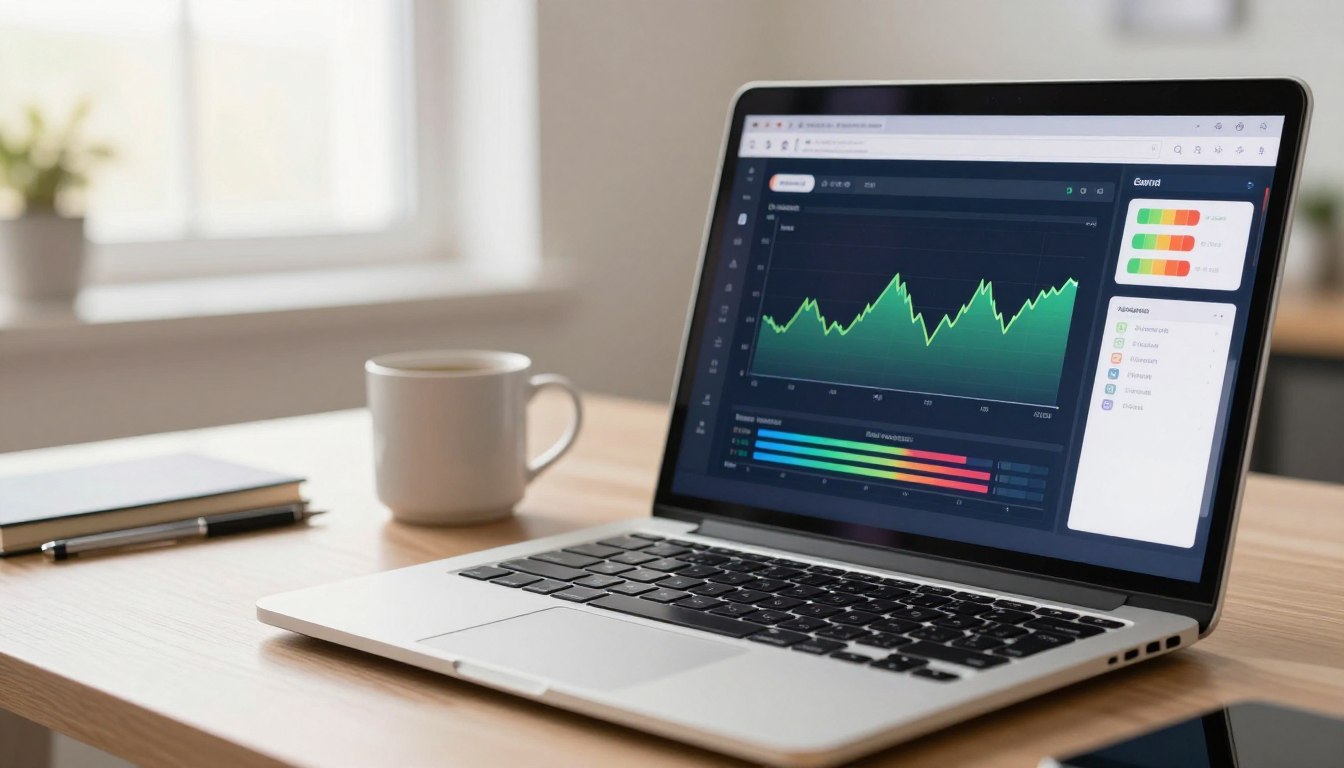
Start by opening the device usage view. On an iPhone go to Settings > Battery. On Android use Settings > Battery > Battery Usage. Laptop power or energy dashboards show similar per-app energy impact.
Check battery usage stats for high background activity
Look for apps with unusually high background activity time or large drain while the screen was off. Focus on the last 24 hours or last few days view to catch recurring patterns.
Identify time-based patterns
Watch for overnight loss, repeated small drops every few minutes, or spikes after installing apps or system upgrades. Heavy notification periods often match clusters of short wakeups.
Confirm data-driven causes
If an app shows high data usage in the background, it likely kept radios and the CPU active.
| What to check | Why it matters | Example path |
|---|---|---|
| High background minutes | Prevents deep idle | iPhone: Settings > Battery |
| Large idle loss | Shows overnight drain | Android: Settings > Battery > Battery Usage |
| Background data | Keeps radios awake | Samsung: Connections > Data usage > Mobile data usage |
Quick checklist: note the app name, time of loss, and any recent installs. Test one change at a time so you can confirm fixes without locking down essential apps.
How to reduce drain from background apps, refresh, and updates without sacrificing performance
A few focused tweaks to app permissions and power mode give the best return for reducing steady drain. Start with the easy wins and test one change at a time so you can measure impact over a day.
https://www.youtube.com/watch?v=c5sBGqg5-Gc
Limit background app refresh and data for non‑essential apps
Turn off Background App Refresh on iPhone: Settings > General > Background App Refresh > Off, or toggle per app. On Android, go to Settings > Connections > Data usage > Mobile data usage and disable Allow background data usage for social, shopping, and casual games.
Tune notifications and push alerts
Keep only priority alerts (messaging, banking, authenticator). Mute nonessential apps in iPhone Settings > Notifications or Android Settings > Apps & notifications to stop repeated wakeups.
Restrict location and permissions
Set location to While Using where available and remove permissions that aren’t needed. On iPhone use Settings > Privacy & Security > Location Services; on Android use Settings > Location > App permissions.
Use Low Power Mode and update apps after system changes
Enable Low Power Mode (iPhone Settings > Battery) or Android Battery Saver to limit background tasks and auto‑downloads during travel or long work sessions.
After an OS update, check the app store for app updates so apps run efficiently; temporary reindexing can cause higher drain for a day or two.
Close only misbehaving apps; let the system manage the rest
Force‑close apps that show continuous background time and heavy data use. Otherwise, modern systems suspend well—focus on targeted restrictions over wholesale app killing.
Testing tip:Change one setting, run normal use for 24 hours, then compare idle loss and usage stats to confirm the improvement.
Conclusion
Takeaway: Unexpected drain usually stems from many small wakeups and recurring work, not a failing component. Controlling what runs in the background fixes most issues and restores reasonable battery life without hardware changes.
Use the diagnostic loop: check your usage view, spot heavy background apps, confirm whether data, notifications, or location match the drain, then apply focused restrictions.
Balance matters. Keep essential services like mail and security active, and stop low‑value refresh for apps that don’t need it. Post‑system maintenance can cause short spikes; update apps and monitor for a day or two.
Quick actions: review top background apps, disable refresh for non‑essentials, cut notification noise, set location to “While Using,” and enable a power saver for travel or long sessions.